Your first apparatus Pilates class: what to expect
Springs, straps, and a room full of equipment can look intimidating. Here is what actually happens at your first class, and how to choose where to begin.
3 min readNaya Studio
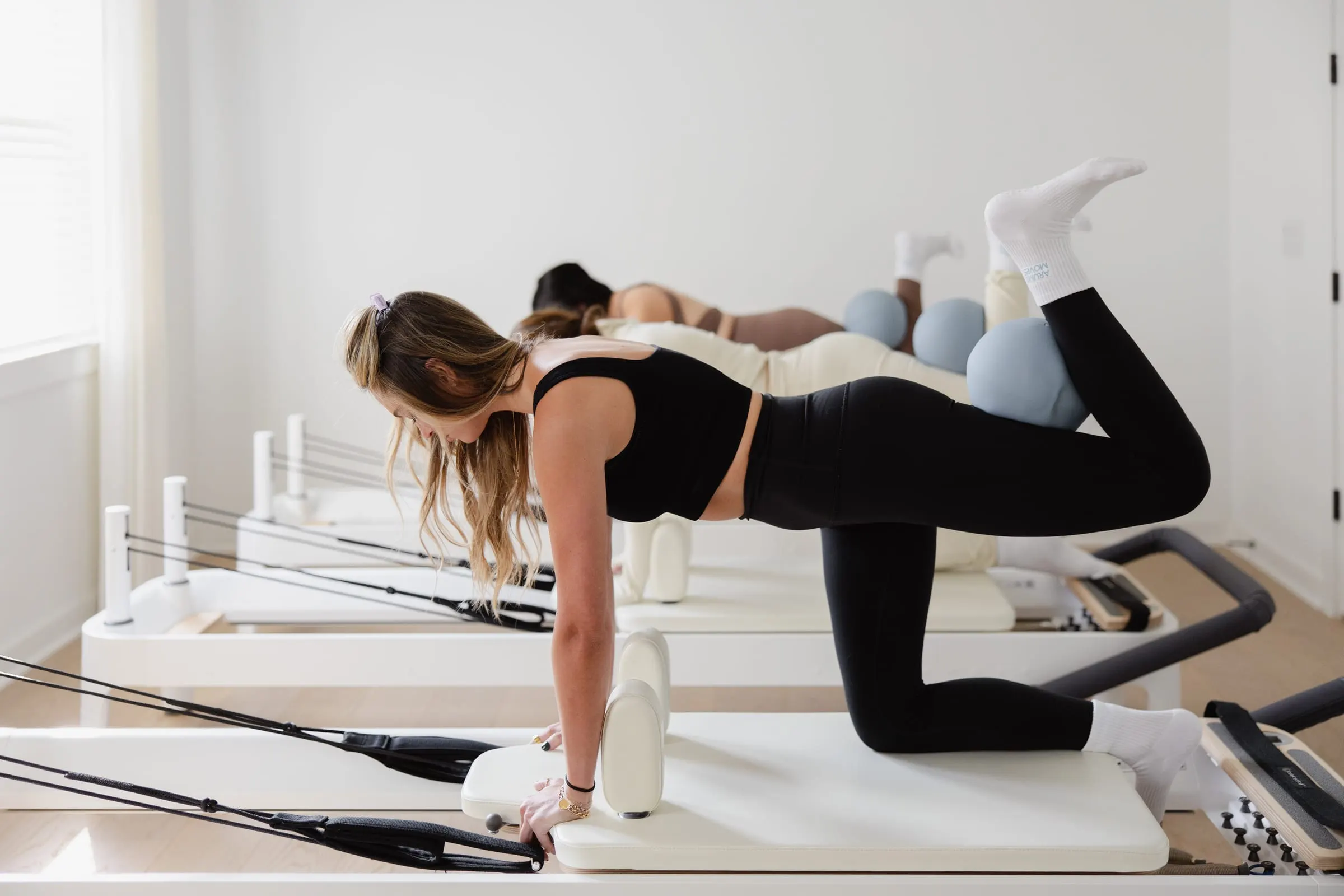
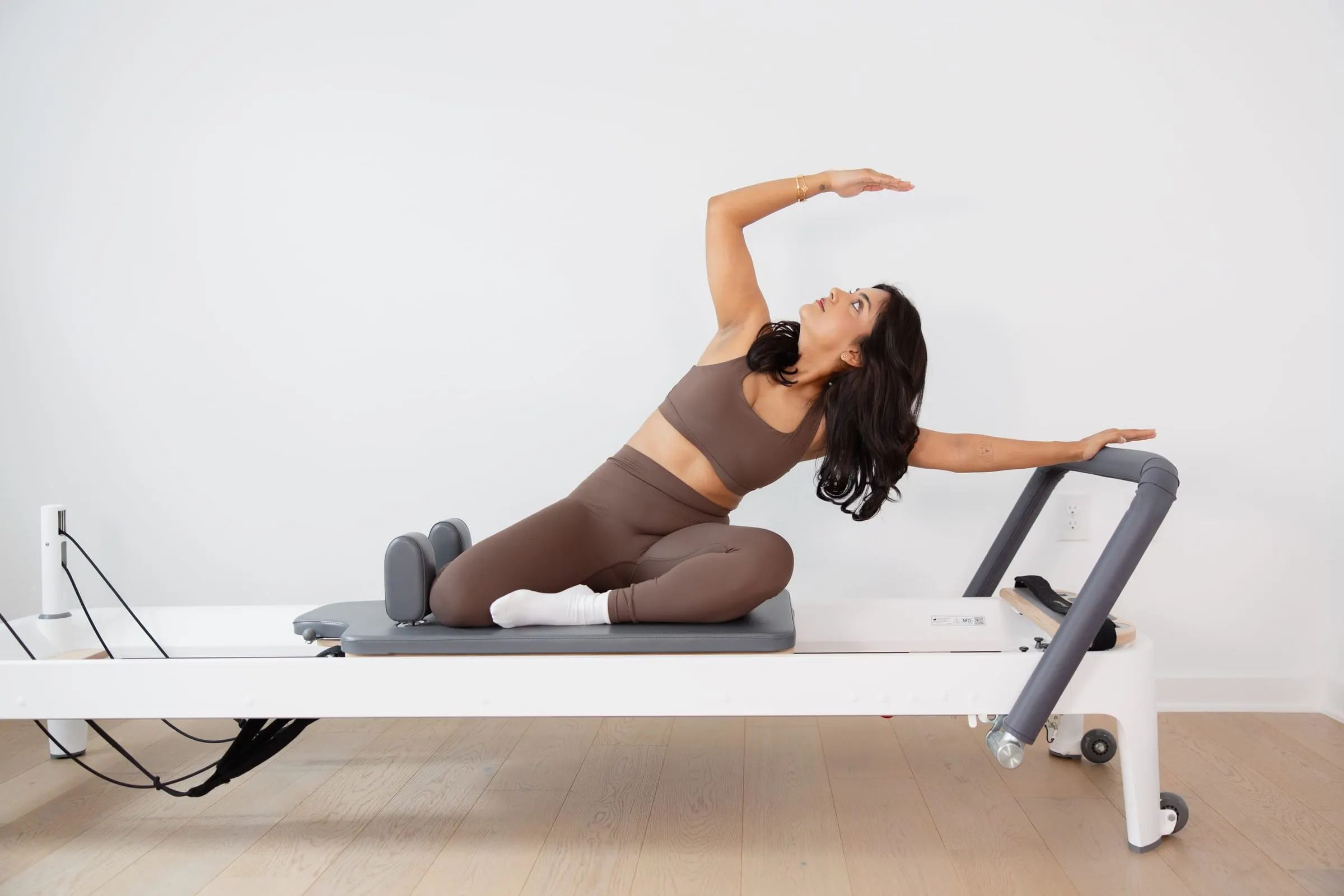
Walk into an apparatus studio for the first time and you'll see Reformers lined up in rows, a Cadillac framed in bars and springs, and a Chair against the wall. It looks technical. In practice, a first class is slower and more guided than most people expect, and you don't need to know how anything works before you arrive.
Choose where to begin
Naya has three starting points, each designed for people who are new to the equipment:
- Naya Essential introduces the Reformer, Half Tower, Chair, and props at a slower pace, with attention on form, breath, alignment, and control.
- Cadillac Essentials is a slower introduction to the Cadillac, with extra guidance around setup, spring tension, alignment, and control.
- A private session gives you fifty minutes one-on-one with an instructor, if you'd like individual guidance before joining a group.
Not sure which to choose? Naya Essential is the most common first step. Every class is on the schedule, and the memberships page explains intro offers, memberships, and class packs.
Before you arrive
- Book ahead. Classes are deliberately small, so places are limited. Book on the website or in the Naya app.
- Bring grip socks. They're required on all equipment. If you don't have a pair, you can buy one at the studio.
- Wear fitted clothes you can move in. Loose layers can catch in springs and straps, and fitted clothing helps your instructor see your alignment.
- Arrive 10 minutes early. Give yourself time to check in and get settled, and let your instructor know it's your first class.
In the room
Apparatus Pilates uses springs for resistance. A spring can make an exercise harder, or it can support you through a movement you're still learning. Your instructor sets or calls out the springs, shows you where your hands and feet go, and cues each exercise as you move.
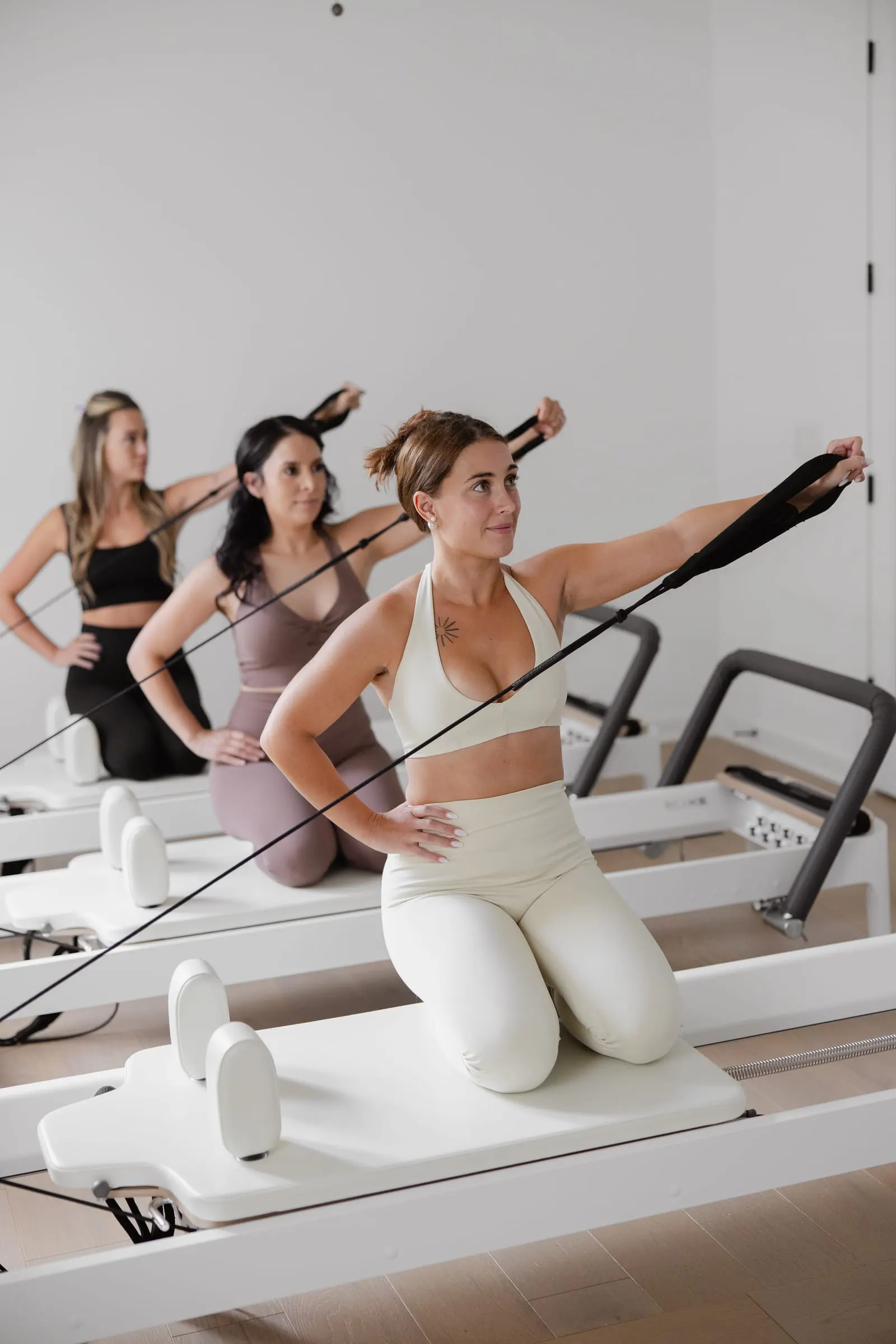
Because classes are small, your instructor can see every rep. Expect specific coaching: an adjustment to your setup, a different spring, or a modification that makes an exercise work for your body that day.
The pace is deliberate. Pilates rewards control over speed, so you may feel the work in places you didn't expect, like your deep core, the backs of your legs, and the small muscles around your shoulders and hips. That's normal, and it's the point.
After class
Most people leave feeling taller and pleasantly worked. Once Naya Essential feels familiar, Naya Flow is the natural next step: a full-body class that's beginner-friendly with options to progress. On the Cadillac, Cadillac Flow builds on Cadillac Essentials.
Plans change. If you can't make a class, cancel at least 12 hours before it starts to avoid a late-cancellation fee.
Questions people ask before their first class
- Do I need to be flexible or fit already? No. Beginner classes are slower and more guided, and springs can be set to support you while you build strength and range.
- I've done mat Pilates. Do I still need a beginner class? It's worth it. The principles carry over, but setup, springs, and moving with a carriage take a class or two to feel natural. Read how mat and Reformer Pilates compare.
- What if I have an injury or I'm pregnant? Talk to your doctor first, then tell your instructor before class so they can suggest modifications. A private session is often the best place to start.
- How often should I come? Consistency matters more than frequency. Many people find that two or three classes a week builds momentum, and memberships are designed around a regular practice.